Pierre Joly

About me
Hi! I am Pierre Joly. Starting in March 2026, I will join CNRS as a Research Engineer under the supervision of Hervé Turlier on “Information Emergence in Embryogenesis”. In this position, I will work on developing multi-agent and physics-based simulations of embryogenesis, leveraging reinforcement learning and information-theoretic approaches to study how structure and function emerge in multicellular systems.
Previously, I was an intern at the SprintML lab (Apr–Sept 2025) under the supervision of Franziska Boenisch and Adam Dziedzic, where I worked on concept removal in text-to-image models. I also completed an internship at CEA-List (May–Oct 2023) under the supervision of Mohamed Tamaazousti and Zakariya Chaouai, where I worked on uncertainty quantification for regression tasks applied to object detection models.
I graduated from École Centrale de Lyon (Sept 2025) with a specialization in applied mathematics.
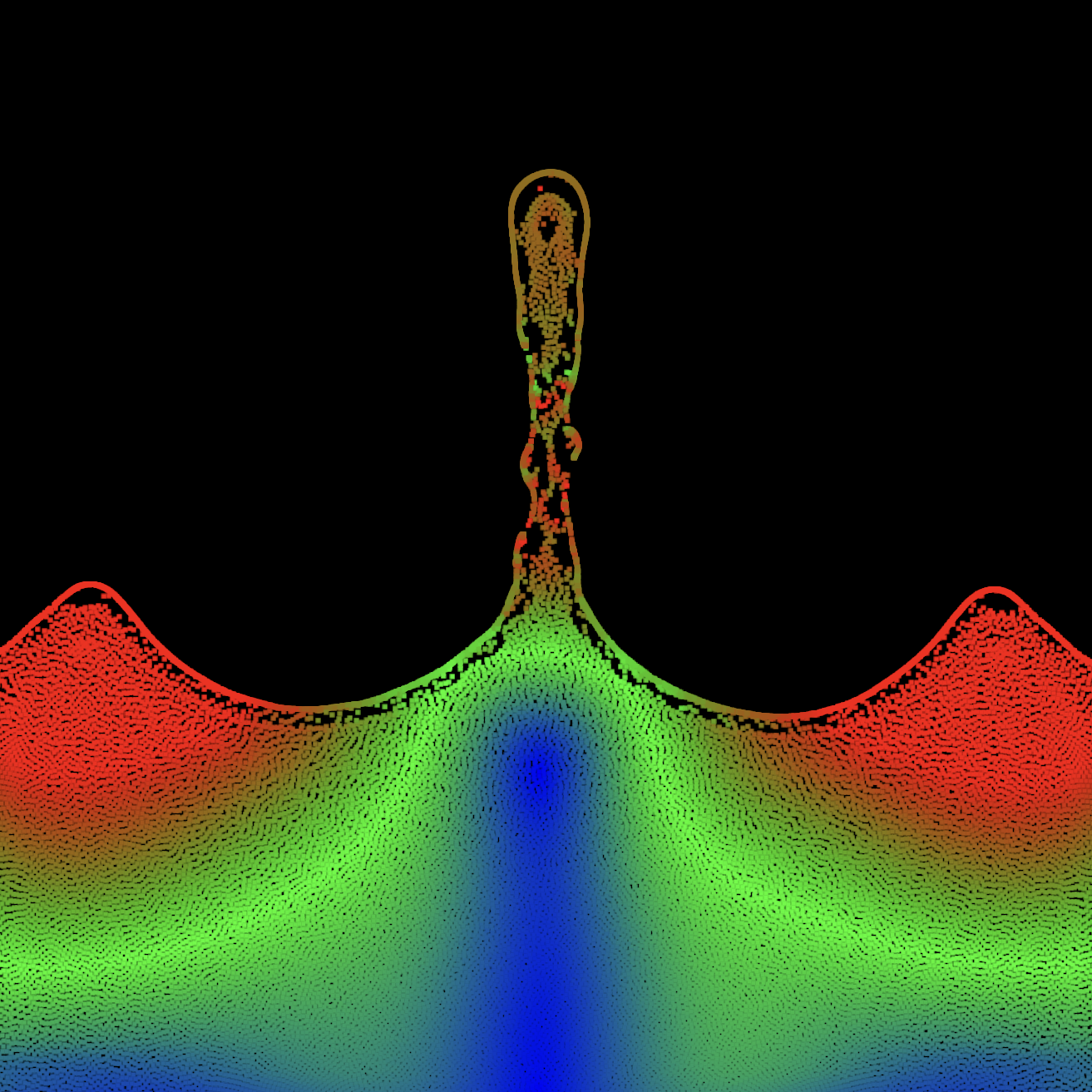
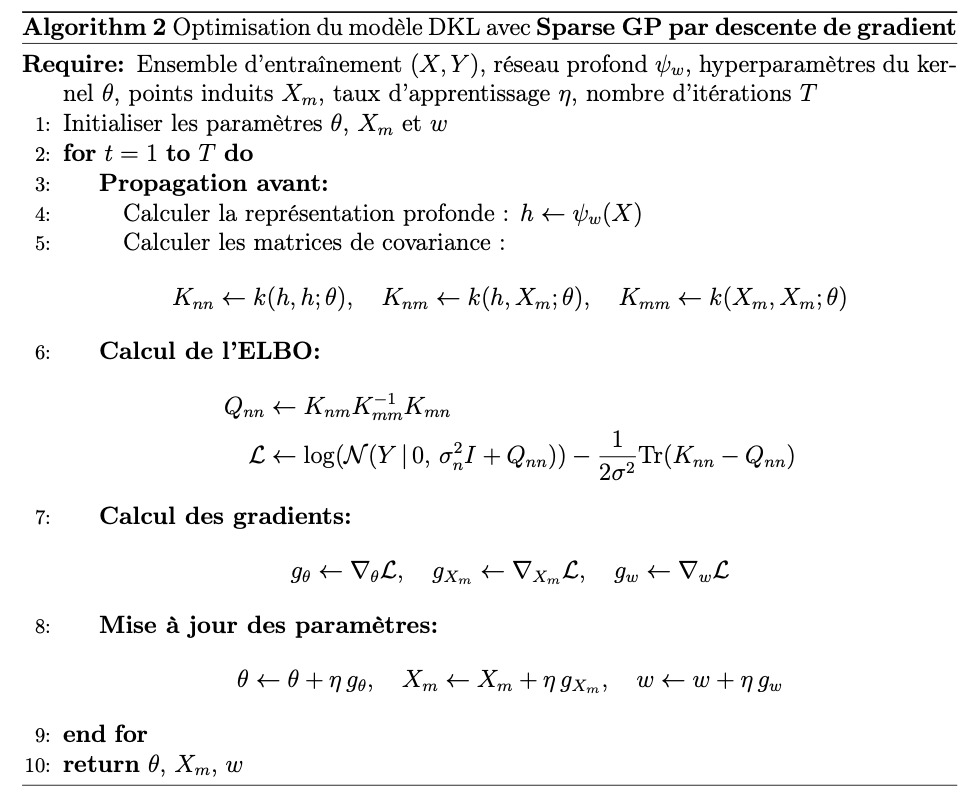
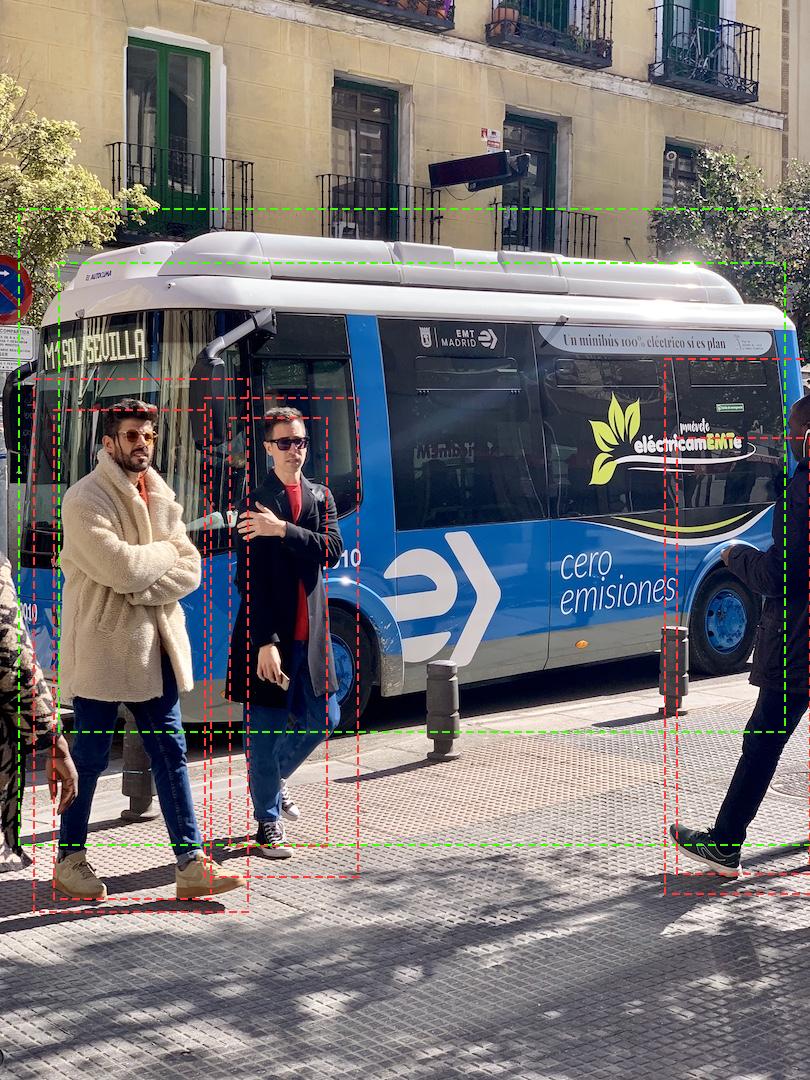
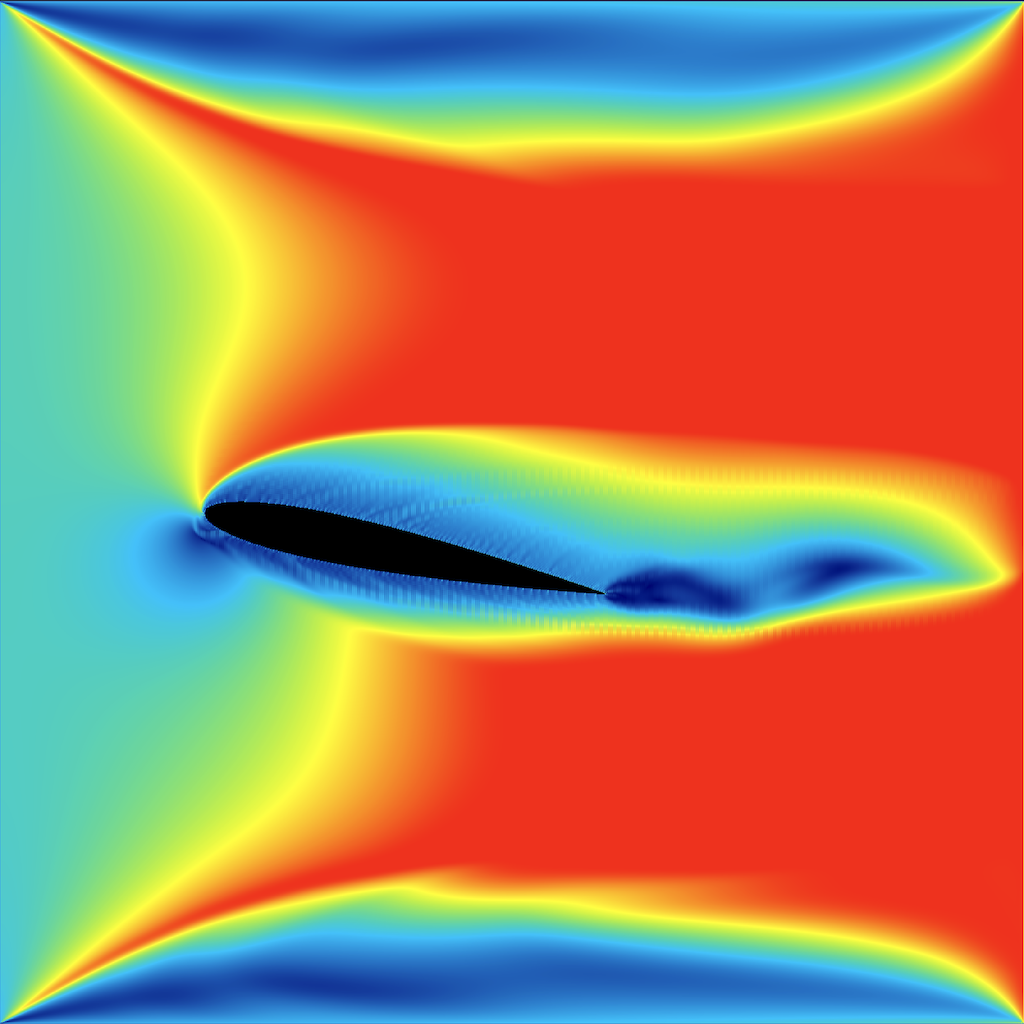
Feel free to browse my projects, such as my Smooth Particle Hydrodynamics (SPH) simulation in Metal (Apple’s GPU framework), my mathematical study on Deep Kernel Learning and Variational Inference, my uncertainty quantification work for object detection or my Lattice Boltzmann Method (LBM) simulation in Metal.
Research interests
What makes the light turn on when I flip a switch? What happens to a star when it dies? How can life emerge from inert matter?
I have always been curious about understanding how the world works. It drove me to study science. I did STEM in high school, then a science-focused Classe Préparatoire aux Grandes Écoles (CPGE) and an engineering school. I mostly studied physics and mathematics. It gave me knowledge, methodology, and rigor to tackle these questions. Some of my questions have been answered, some remain obscure, but more importantly, a response always leads to another question. Now that I have graduated, I want to answer questions for a living, pursue a research career.
In the past few years, a new tool has emerged and enabled us to automate tasks that were previously believed to be the exclusive domain of humankind. Neural networks are universal approximators that use data to learn underlying functions. They allow us to model systems too complex to derive from first principles and to navigate low-dimensional manifolds embedded in high-dimensional spaces. They open new research paths across domains. I want to explore one of these paths.